Drew Russell · 11 September 2026
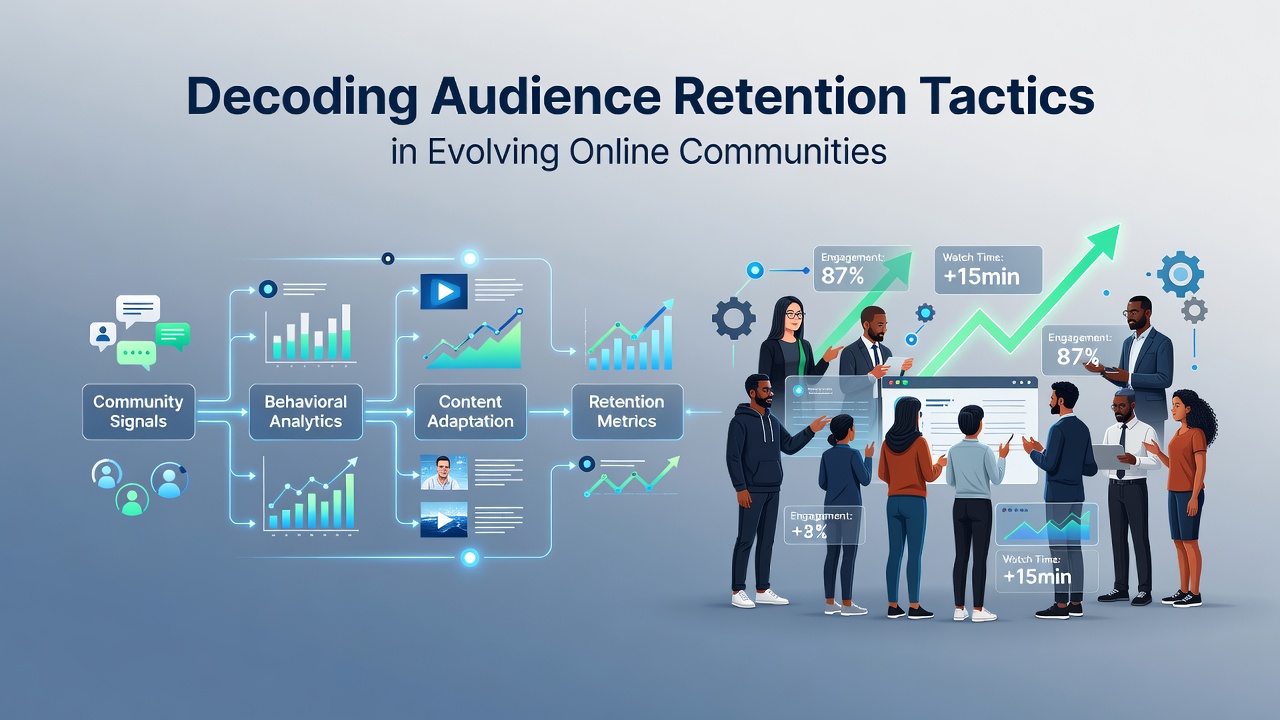
Decoding Audience Retention Tactics in Evolving Online Communities
Online communities continue to shift in structure and purpose as platforms adapt to new technologies and user behaviors, with retention tactics playing a central role in maintaining active participation over time. Research from academic institutions shows that successful communities often rely on layered strategies combining algorithmic recommendations, moderation systems, and member-driven content creation to keep users returning. Data indicates these approaches have grown more sophisticated since the mid-2020s, particularly as hybrid models blending real-time interactions with asynchronous forums became standard across major networks.
Core Elements of Retention in Digital Spaces
Retention begins with understanding user motivations, and studies from research institutions reveal that belonging and utility rank highest among reasons members stay engaged. Platforms deploy notification systems tuned to individual activity patterns while community guidelines enforce consistent standards that reduce churn. In September 2026 several networks rolled out updated verification layers that tied directly into retention dashboards, allowing moderators to spot declining participation early and intervene with targeted prompts or resource sharing. Those who've analyzed platform data note that these interventions often combine automated triggers with human oversight to maintain authenticity without overwhelming participants.
Personalization forms another foundation, where algorithms surface relevant discussions based on past behavior and stated interests. Figures from industry reports highlight how communities that integrate user feedback loops into their recommendation engines experience steadier growth in repeat visits compared to those relying solely on broad popularity metrics. Observers point out that this balance prevents echo chambers while still delivering value that keeps members invested long term.
Adaptations as Communities Scale and Evolve
As groups expand they encounter new pressures around moderation volume and content diversity, yet effective retention tactics evolve in parallel. One approach documented in multiple case analyses involves creating tiered roles that reward consistent contributors with additional tools or visibility, which in turn encourages sustained activity. Research indicates these systems work best when paired with transparent rules that all members can review and discuss openly. External data from the European Commission's digital platform assessments supports the observation that communities offering clear pathways for escalation and recognition maintain higher engagement rates across demographic segments.
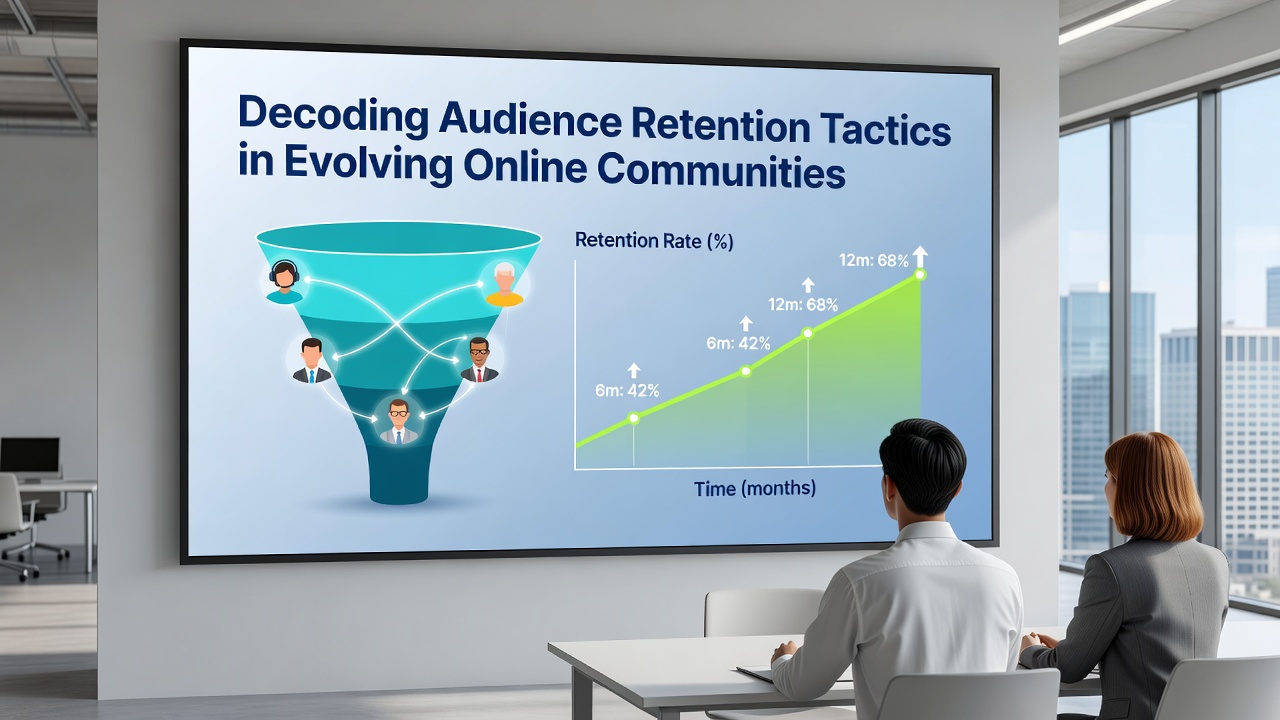
Technological shifts also influence tactics, and September 2026 brought wider adoption of integrated analytics that let administrators track cohort retention alongside sentiment trends. Communities using these tools often adjust their event calendars or topic prompts in response to real-time signals rather than fixed schedules. What's interesting is how smaller niche groups sometimes outperform larger ones by focusing on depth of connection instead of breadth, a pattern confirmed across several longitudinal studies. People who've examined these dynamics find that hybrid events combining live sessions with follow-up threads create repeated touchpoints that reinforce habit formation.
Measurement and Adjustment Practices
Accurate measurement underpins every successful tactic, and data from academic sources shows retention improves when communities track not only login frequency but also meaningful actions such as replies, shares, and collaborative projects. Platforms provide increasingly granular breakdowns that separate passive browsing from active contribution, allowing targeted refinements. According to reports issued by Australian government digital economy analyses, communities that review these metrics monthly rather than quarterly identify friction points faster and implement fixes before significant drop-off occurs. This iterative process relies on both quantitative indicators and qualitative input gathered through periodic member surveys.
Cross-platform migration presents additional challenges, where users split attention across multiple spaces. Retention strategies in these environments often include portable identity features and shared content standards that reduce the cost of switching between related communities. Evidence suggests that groups maintaining consistent branding and moderation philosophies across networks see better continuity in member activity levels.
Conclusion
Decoding audience retention in evolving online communities requires attention to both foundational principles and emerging adaptations, with data consistently showing that personalization, recognition systems, and responsive measurement drive sustained participation. As platforms introduced new features throughout September 2026, communities that integrated these elements while preserving authentic member interactions demonstrated stronger outcomes across available metrics. Continued observation of these patterns provides the clearest path forward for groups seeking to maintain vitality amid ongoing change.